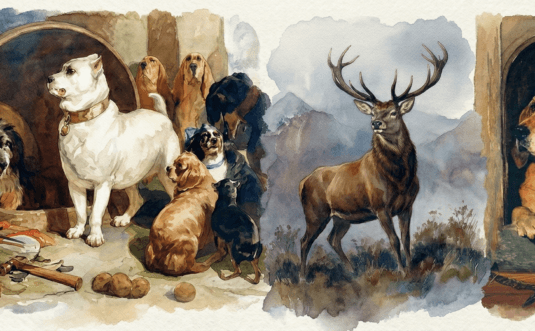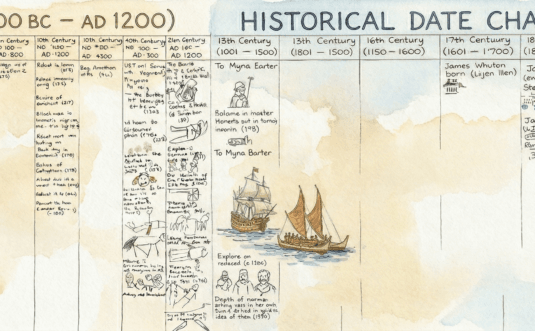

History Pictures for a Living Education is designed to bring history to life for students and young people studying the events of the past. The five book series features hundreds of glossy pictures: portraits of eminent persons; photographs and illustrations of arms, relics, artefacts, past fashions; historic sites and castles; architecture; artistic representations of historic events; plans; and maps. It is based largely on Black’s History Pictures, a series of books published by A. & C. Black in the early twentieth century.
But what exactly was Black’s History Pictures and why did we choose to update, expand, and republish them?
A History of Black’s History Pictures
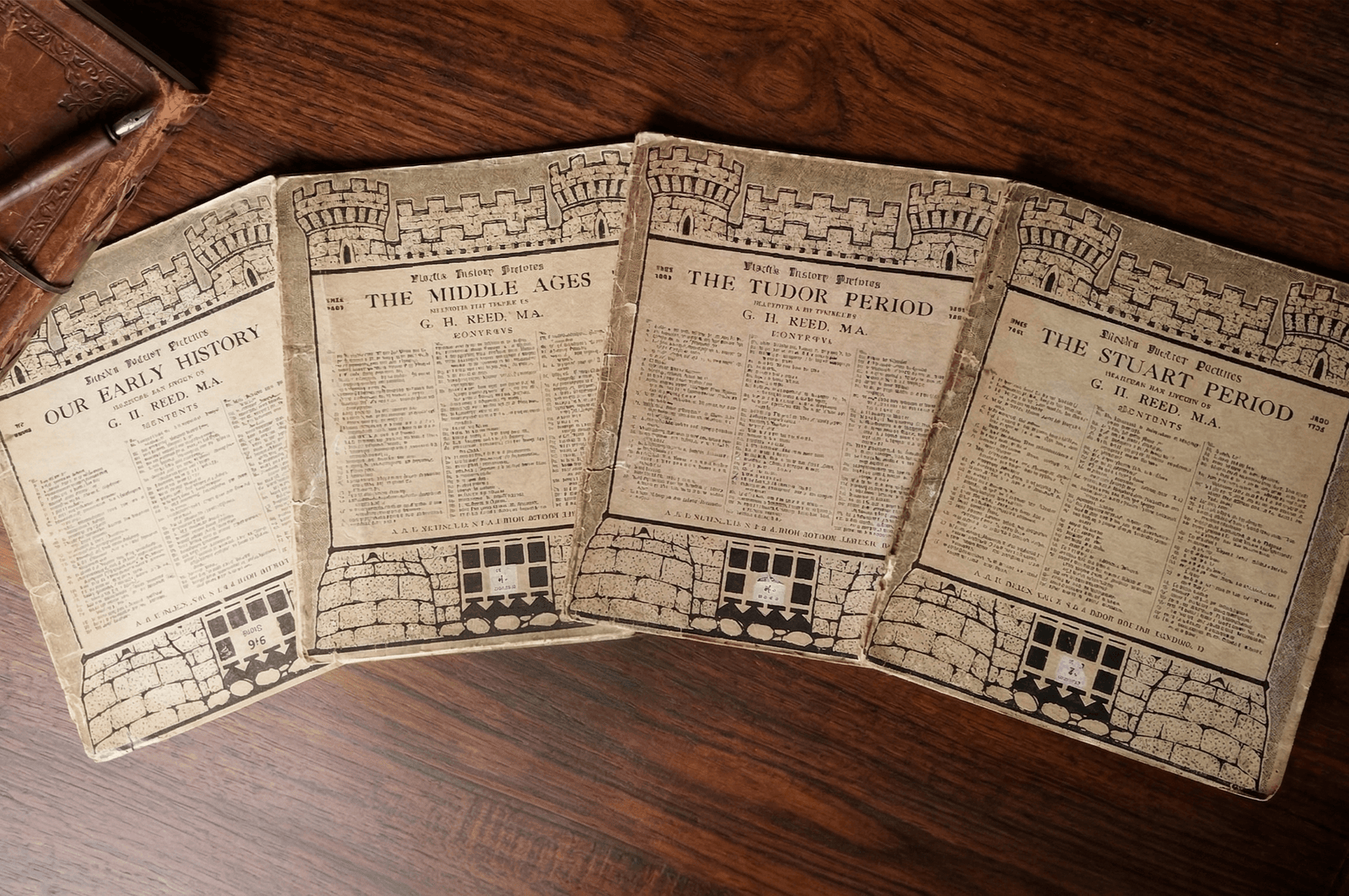
In the early twentieth century, the publishing house A. & C. Black released a series titled Black’s History Pictures, selected and edited by G. H. Reed. They were simple paperback books, slender, but filled with pictures of the past to be used in schools. Mr Reed was careful to ensure the historical accuracy of the pictures chosen, determining that even “imaginative” pictures were only included if they were historically correct in detail, with many of the original artworks sourced from public galleries.
The philosophy behind it—supported by the Board of Education at the time—was simple yet profound: children need a “season ticket over the railways of the past.” As the original notes emphasised, “[p]ictures and picture-books excite questioning and talk among children more readily, perhaps, than any direct statement by a teacher” and they were designed with the understanding that young children are often more interested in “the colour of a man’s hair” than the broad, abstract movements of humanity. By providing clear mental pictures of individuals and scenes, history becomes an attractive subject rather than a dry list of dates.
The books themselves are scarce and quite unremarkable today, sporting grainy, black and white photographs, and well-worn covers, but back when they were first published they would have been a valuable tool to use in the education of the young. Many children would not have otherwise had access to pictures of the people, places, and artefacts they were learning about, and visiting museums and art galleries was not always possible.
Among the educators who chose to make use of this new series of books was none other than Charlotte Mason, the educational pioneer who had established a philosophy of education that was being used throughout the British Empire. She recognised them as a vital tool for the “mind’s eye,” and to enhance the children’s understanding of the books they were reading, and recommended them to the home schoolrooms enrolled in the Parents’ Union School. For students in Forms I and II, these pictures provided a necessary glimpse into the stories and ideas of the past that, until then, had lived only in their imaginations. They were never assigned as mandatory texts to use, but rather as supporting resources that could be of use to both teacher and student.
A Labour of Love
Here at Charlotte Mason Beehive we love old books and we enjoy picking gems out of Miss Mason’s old programmes, hunting them down, and republishing them if possible, but our decision to recreate this series was taken for a far greater reason. Like many great educational tools, it was born, if you will, out of a specific need.
It started as a personal project to organise a visual representation of history for my own children, or more specifically, for my eldest. My daughter, Victoria, was born with some challenges that affected her concentration and her comprehension, and I believed that seeing what we were reading about would unlock her understanding. It worked—and over time, what began as a personal project to organise images for my own family quickly blossomed. It became clear that this visual anchor was the missing piece for many students, helping them transition from passive listening to active engagement.
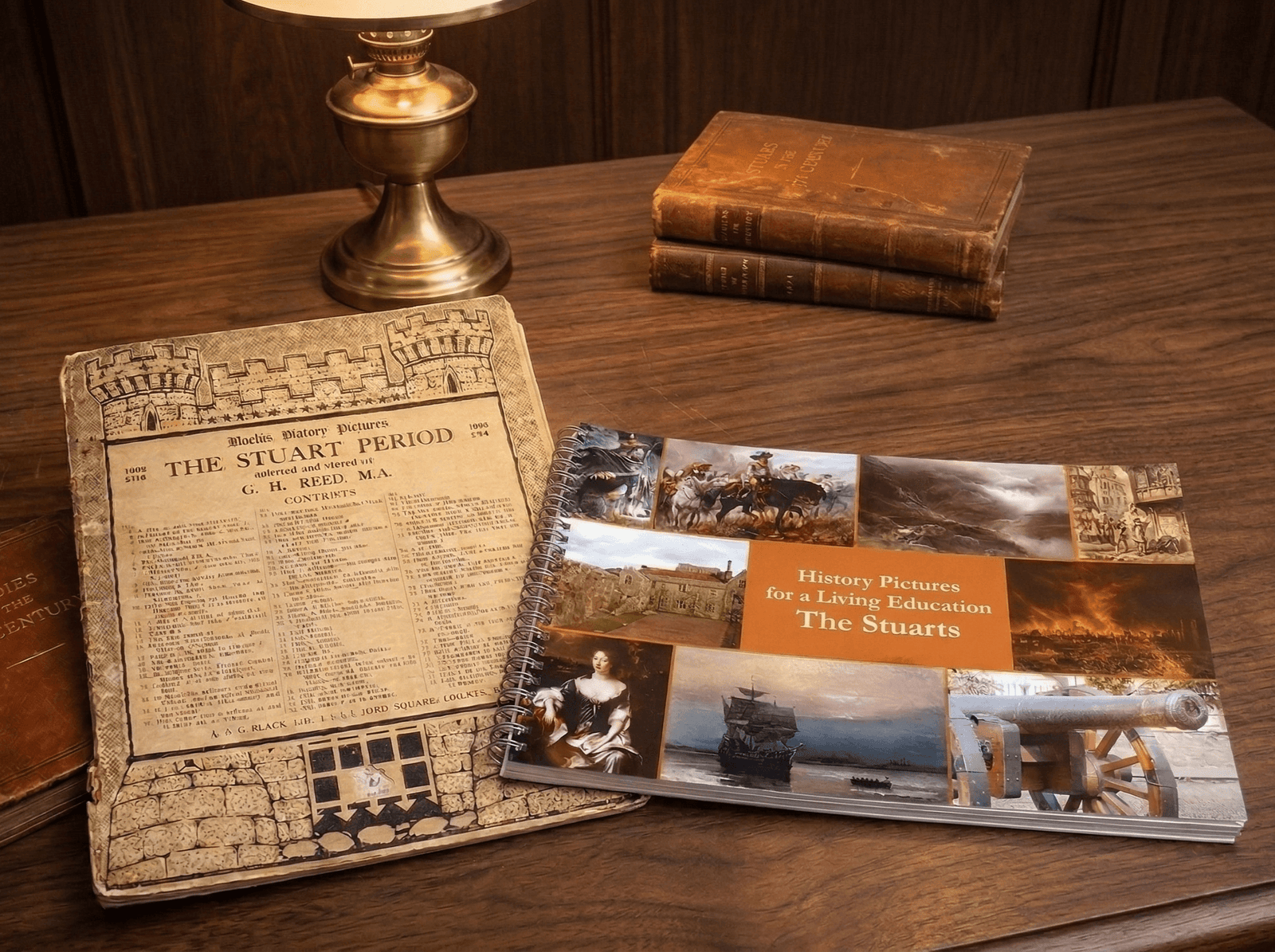
In recreating this series, we have stayed faithful to the spirit of the A. & C. Black originals while expanding them for a modern audience.
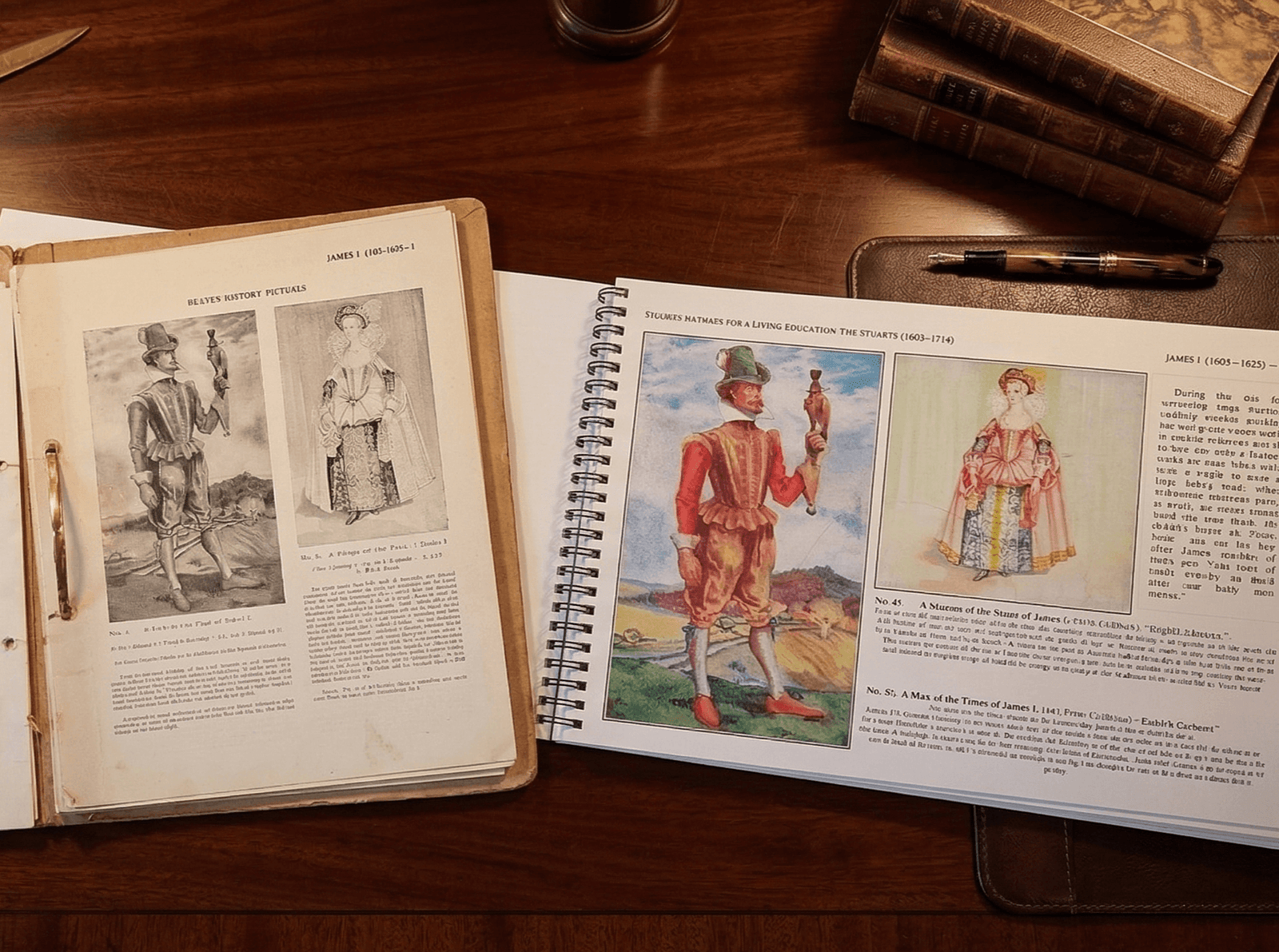
Our updated editions include:
• Enhanced Quality: We have updated the series to high-quality colour prints where possible, ensuring the “atmosphere” is vivid and engaging.
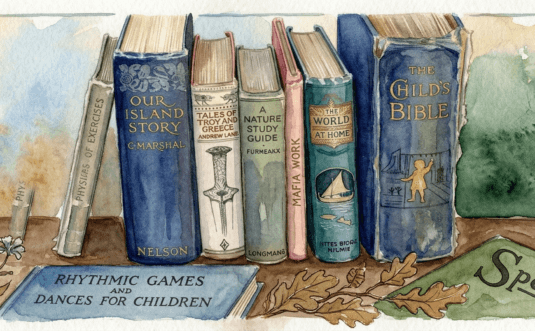
• Expanded Content: We have gone further than the original editions, adding considerably more content from sources such as Nelson’s Highways of History and H. E. Marshall’s Our Island Story.
• Contextual Learning: Following the original format, we include footnotes and “quarter pages” of text to provide historical settings and ensure a continuous chronological story, preventing any risk of confusion for young pupils.
How to Use These Pictures in a Charlotte Mason Education
While these books complement any study of British History, they are specifically designed to accompany “living books” such as Our Island Story or H. O. Arnold-Forster’s A History of England.
For those following the Charlotte Mason method, we suggest two primary ways to use these resources:
1. During the Reading: Use the pictures to focus the child’s attention and help them build accurate mental representations of the era.
2. Post-Reading Discussion: View the images after the text is finished to spark conversation.
The success of these books inspired us to expand the series to include other subjects. We have since introduced companion picture books for Geography favourites like The New World at Home and Little Folk in Modern Lands, as well as for Natural History.
Today, our Pictures for a Living Education series of books has evolved into a comprehensive resource used by students of all ages. The books remain a cornerstone of the products we sell at Charlotte Mason Beehive, supporting educators in private, specialist, and independent schools, as well as home education collectives globally. We are immensely proud to repurpose these treasures, ensuring that the “intimate detail” children demand is always within their reach.